Understanding Rubber and TPO Roofing Systems
When you’re considering a flat or low-slope roofing solution for your commercial property or modern residential design, rubber and TPO roofing systems represent two of the most reliable and cost-effective options available today. At Serpa Home Improvement, we’ve been installing and maintaining these advanced roofing systems since 2005, helping property owners throughout Bridgewater, Raynham, Halifax, MA, and surrounding areas protect their investments with durable, energy-efficient solutions that stand up to New England’s challenging weather conditions.
Rubber roofing, technically known as EPDM (Ethylene Propylene Diene Monomer), has been a trusted flat roofing material for over 60 years. This synthetic rubber membrane offers exceptional durability and weather resistance, making it particularly well-suited for the temperature fluctuations and harsh winters we experience in Massachusetts. TPO (Thermoplastic Polyolefin) represents a newer generation of single-ply roofing membranes that combines the benefits of EPDM with enhanced energy efficiency and heat-welded seams that create a virtually impenetrable barrier against water infiltration.
Technical Specifications and Installation Process
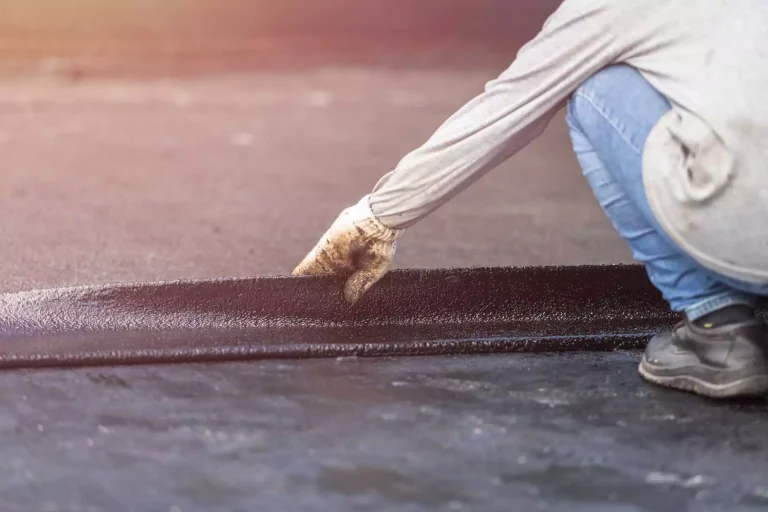
EPDM rubber roofing typically comes in large sheets ranging from 45 to 60 mils in thickness, with widths up to 50 feet that minimize the number of seams on your roof. The material contains carbon black or titanium dioxide, giving it either a traditional black appearance or a white surface that reflects solar radiation. Our installation process begins with thorough deck preparation, ensuring the substrate is clean, dry, and structurally sound. We then apply either a fully adhered, mechanically fastened, or ballasted system depending on your building’s specific requirements and local building codes.
TPO roofing membranes range from 45 to 80 mils thick and feature a reinforced scrim layer that provides dimensional stability and puncture resistance. The installation process involves rolling out the membrane sheets and using hot-air welding equipment to create seams that are actually stronger than the membrane itself. This heat-welding process operates at temperatures between 900 and 1,100 degrees Fahrenheit, creating a molecular bond that eliminates the need for adhesives or tapes at the seams. Our certified installation team ensures proper overlap widths of at least six inches for field seams and follows manufacturer specifications precisely to maintain warranty coverage.
Comparing Performance and Longevity
Both rubber and TPO roofing systems offer impressive lifespans when properly installed and maintained. EPDM rubber roofs typically last 20 to 30 years, with some installations exceeding 40 years with proper care. The material’s molecular structure allows it to expand and contract without cracking, accommodating building movement and thermal cycling. Industry data shows that properly maintained EPDM roofs retain over 90% of their original properties after 30 years of service, making them one of the most reliable flat roofing options available.
TPO roofing systems, while newer to the market with widespread adoption beginning in the 1990s, have demonstrated excellent performance with expected lifespans of 20 to 30 years. The material’s white surface can reduce roof temperatures by up to 50 degrees Fahrenheit compared to traditional black roofs, potentially lowering cooling costs by 10 to 30 percent during summer months. This energy efficiency has made TPO increasingly popular for commercial buildings seeking LEED certification and reduced operational costs.
Maintenance Requirements and Cost Considerations
Regular maintenance is essential for maximizing the lifespan of any roofing system. For rubber roofs, we recommend bi-annual inspections to check for punctures, ensure proper drainage, and clean debris from drains and scuppers. Common maintenance tasks include:
- Seam inspection and repair: checking adhesive bonds and applying lap sealant where needed
- Flashing maintenance: ensuring all penetrations and edges remain watertight
- Surface cleaning: removing dirt and algae that can degrade the membrane
- Drainage system clearing: preventing ponding water that accelerates deterioration
TPO maintenance follows similar protocols but requires special attention to heat-welded seams and UV protection. While TPO membranes include UV inhibitors, extreme exposure in areas with intense sunlight may require additional protective coatings after 10 to 15 years of service.
Making the Right Choice for Your Property
Selecting between rubber and TPO roofing depends on various factors including building design, climate considerations, budget constraints, and energy efficiency goals. Our experienced team evaluates each project individually, considering roof slope, structural capacity, insulation requirements, and local building codes to recommend the optimal solution. Since 2005, we’ve helped countless property owners in Bridgewater, West Bridgewater, East Bridgewater, Raynham, & Halifax, MA make informed decisions about their roofing investments, backed by our commitment to honest pricing and quality workmanship that gets the job done right the first time.